How To Prepare Soil And Irrigation For Regenerative Agave Farming
How To Prepare Soil And Irrigation For Regenerative Agave Farming
Author
fotex
Share
Author
fotex
Share
Understanding Your Land Before Beginning Agave Cultivation
Before you begin regenerative agave farming, you first need to understand your soil’s structure, its strengths, and the potential hurdles it may present. You stand to gain more from agave farming when you recognize the natural texture and composition of your land—whether it’s sandy, claylike, or loamy. Agave is naturally resilient and drought-tolerant, yet it still depends on balanced soil that supports its root development and microbial life below the surface. You benefit most when the soil encourages aeration, allowing agave roots to breathe rather than sit in moisture, which is crucial for preventing root issues.
Regenerative agave farming isn’t just about planting—it’s about letting your soil work for you. As you adopt sustainable practices, you help your land restore itself, retain nutrients better, and support a thriving ecosystem that promotes long-term productivity. You also reduce dependency on fertilizers and chemicals because the soil becomes self-sustaining. With the proper preparation, your soil becomes the foundation that supports harvest after harvest, while keeping the land fertile for years to come.
Preparing Your Soil With Natural Enhancements
When preparing your soil for a healthy agave crop, you enrich the land with organic matter that encourages life below the surface. Compost, aged manure, and naturally decomposed plant materials provide a gradual supply of nutrients that support agave growth without overwhelming the soil. You create a living community underground—microorganisms, earthworms, and beneficial insects collaborate to break down organic matter and supply agave with what it needs throughout its growing season.
You also improve your soil by introducing mulching practices to maintain temperature and moisture levels. When you place organic mulch around your agave plants, you reduce evaporation, limit erosion, and help soil retain structure even under intense sun or seasonal rains. You’ll notice how mulched soil remains healthier and easier to manage over time. With regenerative preparations, you encourage soil that heals itself and continues to produce—supporting not just your current crop but the agave generations that follow.
Implementing Irrigation Techniques That Complement Agave Growth
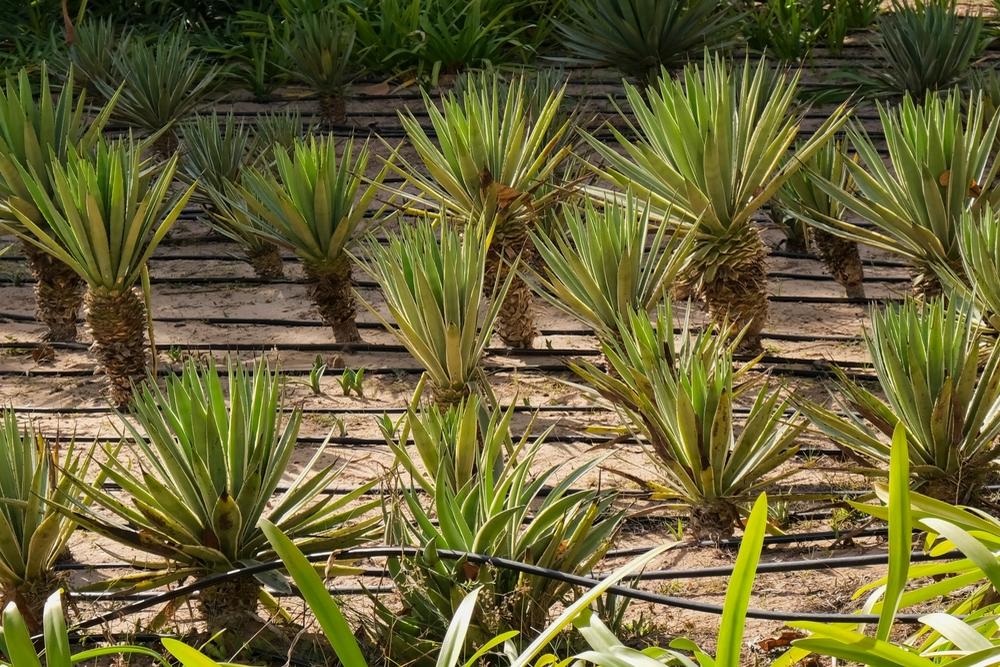
Because agave thrives on minimal water, your irrigation system should deliver water in a controlled, efficient manner rather than frequent watering. You help your crop flourish by implementing drip irrigation systems that direct small amounts of water precisely to the root zone. This practice gives agave the hydration it needs without oversaturating the soil, reducing water waste while maintaining plant strength. You also minimize the spread of disease because water sits only where it belongs—absorbed directly below the plant—rather than lingering on the leaves or compacting the surface.
You also set up your irrigation system around the natural conditions of your location. Consider slope, elevation, and how rainwater naturally flows across your land. If your irrigation design helps capture and direct rainfall into productive zones, you replenish your soil without depending heavily on manual systems. Irrigation becomes less about watering and more about working with natural patterns that benefit your crop. As a regenerative grower, you are blending technology and nature to form a system that respects the environment and sustains productivity.
Supporting Soil Through Regenerative Water Management
Your soil responds best when water management supports long-term health rather than temporary solutions. You enhance the land by creating barriers or contour farming approaches that slow runoff and capture water for gradual absorption. When rain moves slowly through your soil instead of quickly washing over it, you reduce erosion and encourage deeper moisture storage. This allows agave roots to reach farther and create a stronger foundation in the earth.
You foster resilience by treating water as a resource to be retained and circulated strategically rather than used excessively. If your soil stays just moist enough, agave plants adapt naturally to the environment without forcing growth through unnatural watering cycles. As you strengthen your water management methods, you build soil that retains its structure, supports plant life year-round, and stands strong through changing weather patterns. Your land becomes healthier, more stable, and more productive through practices that prioritize conservation and regeneration.
Building A Sustainable Future Through Your Agave Farming Practices
By preparing your soil thoughtfully and designing an irrigation system that respects the needs of agave, you’re investing in more than a single planting season—you’re contributing to the future health of your land. Regenerative agave farming allows you to work with nature rather than against it, encouraging soil that improves over time and produces better results with each new cycle. As you refine your farming approach, your land gives back in ways you can see in your crops, your soil composition, and the overall vitality of your environment.
When you grow agave regeneratively, you support a farming method that honors tradition while shaping a healthier future for the land and community around you. If you’re ready to enhance your soil, optimize your irrigation, and cultivate agave through practices that renew the earth, reach out to The Agave Farm—let’s collaborate on meaningful progress through thoughtful farming choices that make every growing season more sustainable than the last. Contact us today, and let’s move forward together toward a healthier, more intentional growing routine—one thoughtful choice at a time.