When To Harvest Agave Pinas For Highest Sugar Content
When To Harvest Agave Pinas For Highest Sugar Content
Author
fotex
Share
Author
fotex
Share
Understanding How Timing Impacts Agave Sugar Levels
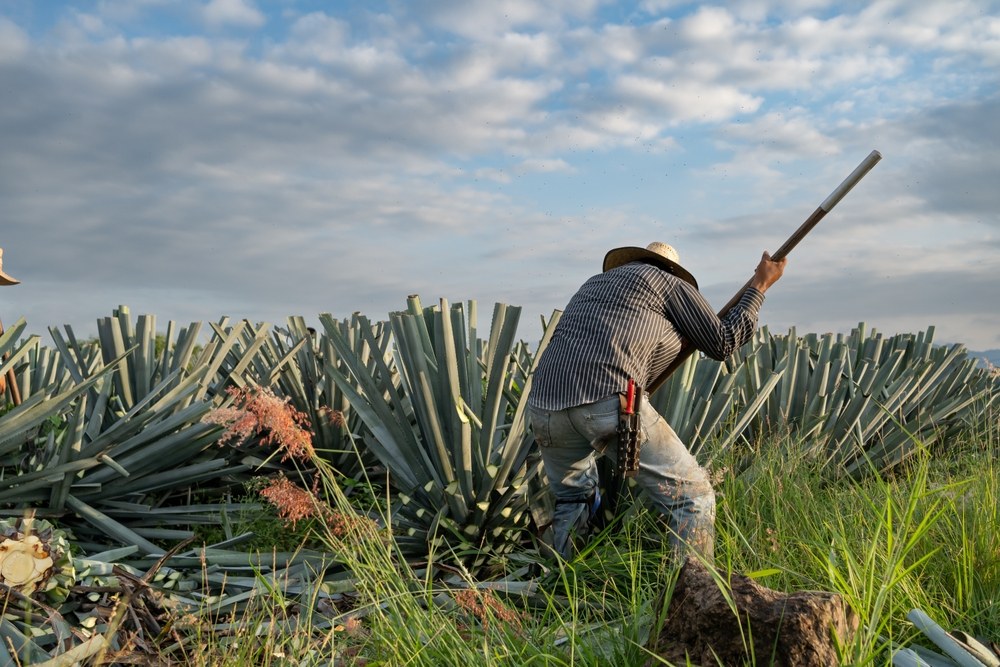
As you cultivate agave, your timing determines the full potential of your harvest. You might assume that agave is ready when it visually appears mature, but the real indicator lies in the level of sugars stored inside the piña. These sugars develop over years, not months, and harvesting too early may mean your yield doesn’t reach its highest quality or production value. With patience and proper awareness, you position yourself to collect piñas at the exact moment when their natural sugars peak, ensuring optimal sugar concentration for distillation, sweetener production, or fiber processing that relies on it.
Your approach to understanding timing begins long before harvesting tools touch the field. You monitor growth patterns, environmental changes, and the plant’s lifecycle to recognize the signals of natural readiness. As the agave channels its energy to the core, sugars convert and accumulate in preparation for its reproductive stage. By observing this transition, you make decisions based on the plant’s internal process rather than external pressure or deadlines. This awareness becomes central to maximizing your harvest quality and ensuring you gather agave that meets the standards required for high-end production.
Identifying Physical Signs That Indicate Maturity
When evaluating your crop, the plant itself offers clues to its readiness if you know what to look for. The leaves begin to shift in posture, taking on a more relaxed, slightly downward appearance. Growth slows noticeably compared to previous years, signaling that the plant has completed most of its development and is now focusing on carbohydrate concentration. As the agave approaches maturity, the sugar content increases in anticipation of producing its towering flower stalk. This natural process gives you an important window to act before energy diverts to reproduction.
You also pay attention to the size and density of the piña. As the plant matures, the core becomes firm, heavy, and more compact, reflecting its increased sugar storage. The texture and weight of the piña can be an indicator of readiness, especially when combined with height, leaf count, and overall age. While visual assessment offers valuable clues, you benefit most when these observations are paired with insights supported by testing or expert evaluation. By trusting the signs and combining them with experience, you cultivate the confidence to harvest at precisely the right moment.
Using Testing and Analysis To Confirm Sugar Concentration
While physical signs are helpful, testing is what gives you certainty. Brix testing and carbohydrate analysis provide measurable information that ensures you are not relying solely on visual interpretation. By collecting samples and measuring sugar concentration, you obtain numbers that reflect the plant’s actual readiness. This approach reduces uncertainty and lets you prioritize which sections of your field to harvest first, based on data-backed results rather than assumptions.
You also use these tests to anticipate yield potential for different product applications. For example, if your crop is destined for fermentation or sweetener production, higher sugar levels translate into better output, enhanced flavor, and more efficient processing. Testing transforms your harvest into a strategic activity where timing and intention meet. Relying on numbers rather than only experience supports better decision-making, protects your investment, and aligns the harvest with your production goals.
Understanding Environmental Influence on Harvest Timing
Agave does not mature at the same pace in every region or climate. Factors such as sunlight exposure, temperature variations, rainfall, and soil conditions influence how sugar develops within the plant. This means your harvest schedule needs flexibility. By observing how your local environment affects maturity, you fine-tune your timing and harvest based on the natural cycles of your area rather than using a universal timeline. This approach becomes essential when working in diverse agricultural regions, where microclimates shape each field’s readiness differently.
You also pay attention to seasonal cues. Dry seasons may help concentrate sugars, while sudden rains could dilute them if harvesting is delayed. Understanding these patterns allows you to anticipate and adapt. When your timing reflects environmental awareness, you gain control over an unpredictable variable through observation, preparation, and decision-making that acknowledges nature’s influence. This aligns your harvest not just with the plant’s needs, but with the climate that shapes its growth and sugar development.
Preparing for a Successful Harvest That Honors Quality and Timing
Harvesting agave piñas at the right moment requires balancing biology, data, field observations, and climate patterns. You harvest with purpose—understanding that every additional month of maturity contributes to the sugar concentration and overall value of your crop. When you commit to learning your land, testing your plants, and observing natural signals with consistency, you place yourself in the best position to collect piñas with exceptional sugar levels that support superior results for distillation or production. You’re not just cutting plants—you’re shaping the outcome of your final product through timing and intention.
If you’re ready to enhance your approach to agave harvest timing and aim for top-tier sugar content, contact us at The Agave Farm—let’s join forces and build progress through informed choices that support your operation and create meaningful strides for the future.