When to Use Agave Plant Products Beyond Spirits for Culinary and Industrial Uses
When to Use Agave Plant Products Beyond Spirits for Culinary and Industrial Uses
Author
fotex
Share
Author
fotex
Share
Recognizing the Versatility of the Agave Plant
When you think about agave, spirits may be the first product that comes to mind, but the plant offers far more possibilities than distillation alone. Every part of the agave plant has potential value when you understand how and when to use it effectively. From natural sweeteners used in kitchens to fibers that serve industrial purposes, agave can support multiple industries when cultivated and processed with care. By recognizing the plant’s versatility, you can expand how your harvest contributes to different markets while maximizing the value of each crop cycle. Agave’s natural sugars, structural fibers, and plant compounds provide opportunities for culinary innovation and industrial production alike. When you explore these uses thoughtfully, you create new pathways for your agave harvest while strengthening the overall sustainability and productivity of your agricultural operation.
Using Agave Products in Culinary Applications
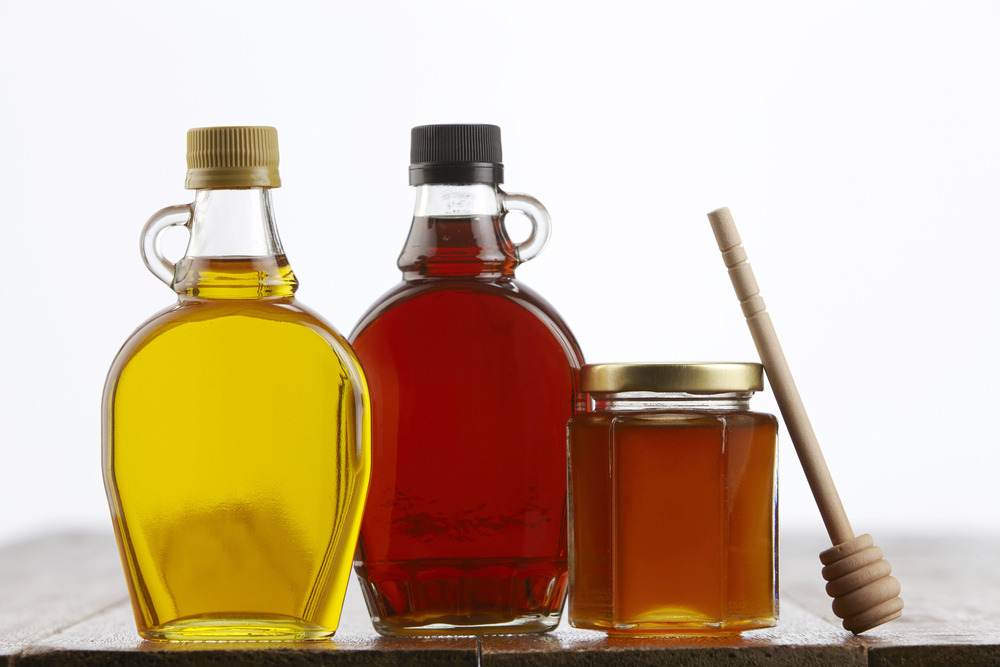
Agave has long played an important role in food preparation, and you can take advantage of its natural sweetness and plant-based qualities in a wide variety of culinary uses. Agave syrup, for example, is a popular alternative sweetener thanks to its smooth flavor and ease of dissolving in both hot and cold beverages. This makes it useful in recipes ranging from baked goods and sauces to specialty drinks and desserts. When harvested and processed at the right stage, agave can also provide ingredients that contribute subtle flavor notes and texture enhancements in cooking. Some culinary uses extend beyond sweeteners, including roasted agave preparations or plant extracts that add depth to dishes. By understanding when to harvest agave for these purposes and how to process it carefully, you can support culinary markets that appreciate natural ingredients while expanding the range of products your agave fields can provide.
Exploring Industrial Uses for Agave Fibers and Byproducts
Agave plants also provide materials for a variety of industrial applications. The fibrous structure of plant leaves yields durable fibers that can be used to produce ropes, textiles, biodegradable materials, and other practical products. These fibers have long served in traditional crafts and continue to find modern uses as industries seek plant-based alternatives to synthetic materials. In addition to fibers, byproducts from agave processing can contribute to other industrial activities, including composting, animal feed development, and agricultural soil improvement. When you consider how these materials can be reused rather than discarded, you increase the overall efficiency of agave production. Utilizing agave fibers and plant residues for industrial purposes also supports a circular approach to agriculture, where multiple parts of the plant contribute to useful products rather than going to waste.
Enhancing Environmental Balance Around Your Agave Fields
Knowing when to direct agave plants toward culinary or industrial uses depends on factors such as maturity, sugar content, and the intended end product. If your goal involves sweeteners or culinary ingredients, the sugar concentration within the plant becomes a key consideration, as it influences flavor and processing outcomes. Industrial uses, particularly fiber extraction, may depend more on the structural strength of plant leaves than on sugar levels. This means your harvest strategy may vary depending on the market you plan to serve. By evaluating plant maturity and understanding the characteristics required for each application, you can determine the most suitable time to harvest and process your agave. Thoughtful timing aligns plant development with product goals, ensuring each part of the agave plant is used to maximize value.
Expanding the Potential of Your Agave Harvest
When you recognize the many ways agave can support culinary and industrial uses, you open new opportunities to increase the impact of your harvest. Instead of relying on a single product pathway, you can explore how agave sweeteners, fibers, and plant byproducts contribute to a wider range of industries. This broader perspective allows you to strengthen production efficiency while creating additional sources of value from the same crop. By paying close attention to harvest timing, plant maturity, and processing methods, you can direct your agave plants toward the applications that best match their characteristics. If you want to improve your approach to agave harvest timing while focusing on excellent sugar development and productive crop use, contact us at The Agave Farm. Working together helps you make informed choices that support your operation and create meaningful progress for the future.